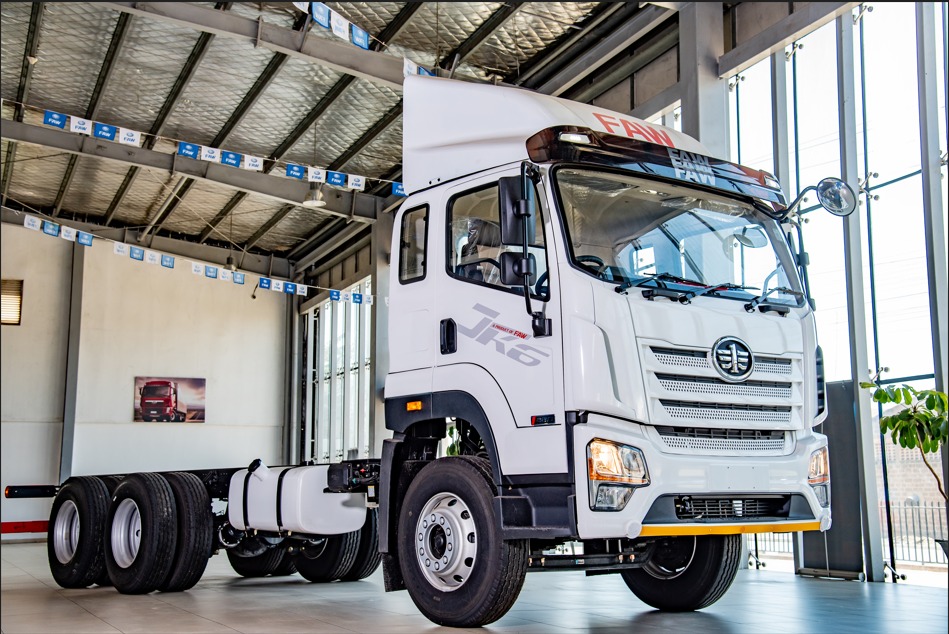
Investing in commercial haulage requires a clear evaluation of payload capacity, operating reliability, powertrain durability, and route conditions. Businesses actively evaluating trucks for sale in Kenya face diverse operational demands, ranging from heavy aggregate transport in infrastructure projects to long-distance container freight across the Northern Corridor. Selecting the right commercial vehicle directly influences fuel expenditure, fleet uptime, scheduled maintenance cycles, and overall enterprise profitability.
The Kenyan transport and logistics sector continues to expand across agricultural distribution, construction, manufacturing, and regional transit. Whether managing a single distribution vehicle in Nairobi or coordinating a large commercial haulage fleet across East Africa, matching vehicle specifications to your operational profile is essential. This guide provides a detailed technical overview of commercial truck categories, key purchasing considerations, and ownership factors to help you make an informed investment decision.
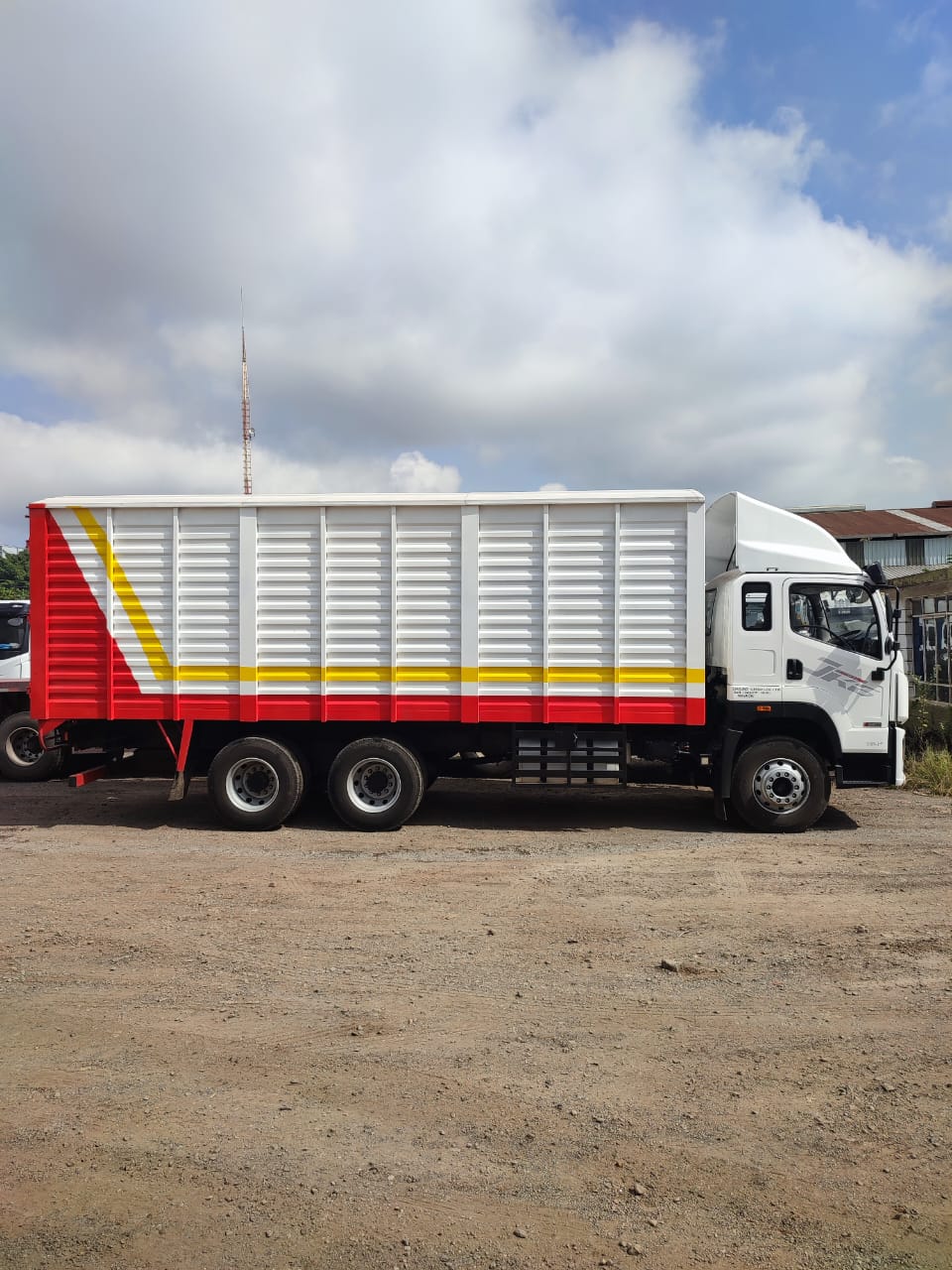
Overview of the Commercial Truck Market in Kenya
The commercial automotive market in Kenya serves a variety of industries that demand rugged engineering and dependable load-bearing capabilities. Heavy transport corridors connecting the Port of Mombasa through Nairobi to Western Kenya and regional borders require vehicles capable of sustained long-distance hauling under varying topographical and road conditions. In contrast, urban logistics within major business hubs requires agility, maneuverability, and optimized fuel consumption for stop-and-start traffic.
Commercial truck buyers typically evaluate options across three main supply channels: brand-new locally assembled units, brand-new fully built imports, and pre-owned imports. When evaluating alternatives across global sourcing channels and international platforms such as Japanese vehicle market resources, operators must carefully weigh import age regulations, duty structures, initial capital outlay, and long-term spare parts availability within Kenya.
Major Categories of Commercial Trucks Available in Kenya
Commercial vehicles are engineered for distinct operating environments, cargo configurations, and gross vehicle weight (GVW) ratings. Understanding the technical differences among available categories ensures your capital expenditure aligns with your everyday haulage needs.
1. Light-Duty and Medium-Duty Cargo Trucks
Light-duty and medium-duty rigid trucks are the primary workhorses for FMCG distribution, agricultural collection, parcel delivery, and regional retail supply chains. Configured with flatbed, dropside, or enclosed dry-van bodies, these units typically offer gross vehicle weights ranging between 3.5 tonnes and 15 tonnes. Their smaller turning radiuses and moderate axle configurations make them ideal for urban centers like Nairobi and inter-county distribution routes where maneuverability and fuel efficiency are primary operational criteria.
2. Heavy-Duty Rigid Trucks
Heavy-duty rigid chassis models, including 6×2 and 6×4 configurations, are designed for high-payload cargo haulage without the need for articulated trailers. These vehicles deliver higher horsepower ratings and multi-axle load distribution, making them well suited for transporting bulk commodities, produce, construction materials, and general freight across rough or paved terrain.
3. Tipper and Dump Trucks
Tipper trucks are engineered specifically for mining, quarrying, site excavation, and road construction applications. Built on reinforced chassis frames with heavy-duty suspension and hydraulic lifting systems, tippers are typically configured as 6×4 or 8×4 drivetrains to ensure traction in off-road and mud-laden terrain. Key engineering features include reinforced cargo boxes, high-tensile steel tipping bodies, heavy hub-reduction axles, and robust mechanical leaf springs capable of withstanding severe shock loads during loading and tipping cycles.
4. Prime Movers and Tractor Units
Prime movers (articulated tractor units) handle the heaviest haulage tasks in the logistics sector. Paired with semi-trailers such as flatbeds, skeletal container carriers, fuel tankers, and low-bed heavy equipment transporters, prime movers are available primarily in 6×4 and 4×2 configurations. These units feature high-output turbocharged diesel engines, multi-gear transmissions with crawler ratios, and fifth-wheel couplings designed for continuous long-distance transit across East African transit corridors.
Commercial Truck Comparison Matrix
The table below summarizes common commercial truck categories, typical drivetrain layouts, and primary applications across Kenyan operating conditions:
| Truck Category | Common Drive Configuration | Typical GVW / Payload Focus | Primary Commercial Application |
|---|---|---|---|
| Light & Medium Rigid | 4×2 | 3.5 – 15 Tonnes GVW | Urban delivery, FMCG distribution, agricultural produce |
| Heavy-Duty Cargo | 6×2, 6×4 | 15 – 28 Tonnes GVW | Inter-county logistics, bulk materials, general freight |
| Tipper / Dump Truck | 6×4, 8×4 | 15 – 30+ Tonnes Payload | Quarrying, road building, earthmoving, mining |
| Prime Mover / Tractor | 4×2, 6×4 | 40 – 60+ Tonnes GCM | Container haulage, bulk liquid transit, cross-border freight |
Key Factors to Consider When Buying a Truck in Kenya
Purchasing a commercial vehicle represents a substantial investment where total cost of ownership (TCO) matters far more than just the initial purchase price. Kenyan fleet operators and individual transporters should evaluate several technical, regulatory, and economic factors before finalizing an order.
- Intended Application and Route Topography: Assess whether the vehicle will operate primarily on smooth highway corridors, hilly terrain with steep gradients, or unpaved rural roads. Off-road and construction duties demand higher ground clearance, hub reduction axles, and reinforced chassis rails.
- Chassis Strength and Payload Capacity: Adherence to axle load limits enforced by the Kenya National Highways Authority (KeNHA) is critical to prevent regulatory penalties and protect vehicle longevity. Select axle layouts (such as 6×2 tag axles or 6×4 tandem bogeys) that distribute weight legally and effectively.
- Engine Performance and Fuel Efficiency: Fuel represents the single largest variable operating cost for transport operators. Look for proven, direct-injection turbocharged diesel engines with reliable mechanical or common-rail fuel systems capable of delivering high low-end torque while maintaining reasonable fuel economy.
- Suspension and Drivetrain Reliability: Multi-leaf heavy-duty springs, robust shock absorbers, and durable transmissions with synchronizers or splitter systems ensure minimal mechanical fatigue over rough Kenyan road sections.
- Parts Availability and Serviceability: Even the most durable truck requires regular servicing. Verify that routine replacement filters, brake linings, clutch assemblies, and suspension bushings are widely accessible in the local market without extended lead times.
- Total Cost of Ownership: Calculate the comprehensive financial impact, including scheduled preventive maintenance, tire wear rates, insurance costs, depreciation, and expected resale value.
The Business Impact of Choosing the Right Fleet Vehicle
Aligning vehicle specifications with business requirements yields measurable commercial benefits. An underpowered truck operating on demanding transport routes experiences excessive drivetrain stress, frequent clutch replacements, and higher fuel burn rates. Conversely, an oversized truck running below its rated payload incurs unnecessary capital expenditure, higher road maintenance levies, and elevated tire wear.
Proper vehicle selection directly maximizes fleet productivity by reducing unscheduled downtime. High vehicle availability ensures on-time cargo delivery, builds shipper confidence, and optimizes return on investment across the operational life of the asset.
Commercial Vehicle Solutions at Habiba Motors
For transport operators, logistics enterprises, and construction contractors seeking dependable commercial transportation solutions, Habiba Motors provides access to a diverse portfolio of heavy-duty and commercial vehicles. Whether you require robust rigid cargo trucks for domestic distribution, high-capacity tippers for infrastructure developments, or articulated prime movers for cross-border logistics, you can explore vehicles available at Habiba Motors to review platforms tailored to regional transport conditions.
Selecting commercial equipment through an experienced dealer ensures transparency regarding vehicle specifications, technical configurations, and compliance requirements for the Kenyan market.
Pricing, Commercial Financing, and Acquisition
Commercial truck pricing in Kenya varies significantly depending on chassis type, horsepower output, body fabrication, axle configuration, and included equipment packages. Specialized bodies—such as customized dropside beds, heavy insulated reefers, high-tensile steel tipping boxes, or fuel tank configurations—will also influence the overall quotation.
Many commercial buyers and fleet operators utilize asset finance arrangements through commercial banks, microfinance institutions, and asset leasing providers in Kenya. Structuring asset finance requires a detailed evaluation of down payment requirements, loan tenure, seasonal cash flow cycles, and warranty provisions. To obtain customized commercial quotations, check current inventory availability, or discuss specific bodywork and technical requirements, buyers are encouraged to contact Habiba Motors for a quotation.
Frequently Asked Questions
What types of commercial trucks are most common in Kenya?
The most common commercial truck types in Kenya include light-to-medium rigid cargo trucks for urban and regional distribution, 6×4 tipper trucks for construction and mining, and 6×4 prime movers for long-distance container and bulk freight haulage.
How do I determine the right axle configuration for my transport business?
The correct axle configuration depends on payload requirements, terrain, and legal axle-load regulations. For standard highway distribution with moderate weight, a 4×2 or 6×2 configuration provides good balance and fuel efficiency. For heavy cargo, off-road applications, or steep gradients, a 6×4 configuration provides superior traction, structural support, and load distribution.
What factors affect the price of commercial trucks in Kenya?
Truck pricing is influenced by engine displacement and horsepower, gross vehicle weight rating, chassis build quality, transmission type, body customizations (such as tipper boxes, flatbeds, or refrigerated van bodies), import duty rates, and prevailing market conditions.
Can I finance a commercial truck purchase through Kenyan financial institutions?
Yes. Most major commercial banks and asset financing institutions in Kenya offer commercial vehicle loans and asset lease structures. Approval terms generally depend on the buyer’s financial profile, down payment capability, business cash flow, and the vehicle’s technical specifications.
What should I check before purchasing a commercial truck?
Key checkpoints include engine and transmission integrity, chassis frame alignment, suspension condition, braking system reliability, availability of local spare parts, fuel consumption history, and complete statutory documentation.
Take the Next Step in Securing Your Commercial Vehicle
Investing in dependable commercial transport is the foundation of a successful logistics, construction, or distribution operation. Having the right vehicle configuration ensures lower maintenance costs, consistent payload delivery, and enhanced operational profitability across Kenyan roads.
To view our range of commercial trucks, prime movers, and specialized transport equipment, or to discuss technical requirements with a specialist, visit Habiba Motors today or reach out directly to contact Habiba Motors for a quotation.
Leave a Reply